Day 1 — Delhi to Haridwar
Use the first day for transfer, rest and current registration checks. A selected ghat visit can fit after check-in. Confirm the passenger and vehicle documentation applicable to the season.
A staged twelve-day Delhi road plan for Yamunotri, Gangotri, Kedarnath and Badrinath, with separate trekking stages. Suggested 11 nights / 12 days; tailor the plan to your dates and group.
Custom quote · Vehicle and hotel options · Clear inclusions
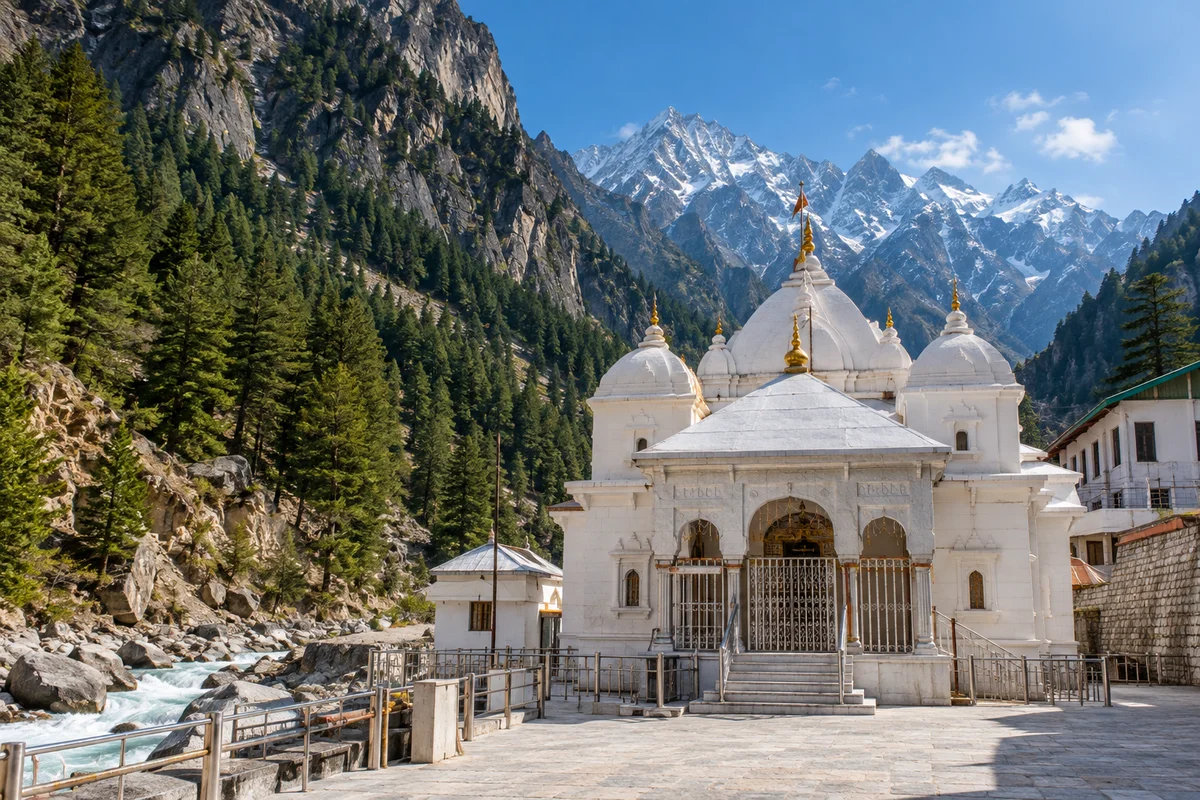
A staged twelve-day Delhi road plan for Yamunotri, Gangotri, Kedarnath and Badrinath, with separate trekking stages.
This is a suggested private road programme from Delhi, including the outward and return travel days. It is not a fixed shared departure or a confirmed inventory of rooms and services. Use it to decide whether the pace, selected shrines and night split suit your group before asking for a written quotation.
Keep personal suitability and walking ability central to the decision. An extra buffer night can be useful. If two trekking stages are too demanding, compare a revised road-focused pilgrimage after reviewing exactly which shrines remain in the programme.
Each day is a planning outline. Current access, arrival time and the group’s pace decide what can be completed. Review the night split and optional visits before booking.
Use the first day for transfer, rest and current registration checks. A selected ghat visit can fit after check-in. Confirm the passenger and vehicle documentation applicable to the season.
Begin the hill circuit with daylight driving, breaks and a practical hotel arrival. The route through the Dehradun and hill-road corridor depends on current suitability. Keep evening visits light.
Transfer to the permitted Janki Chatti approach and undertake the separate onward pilgrimage if the route is open and suitable. Return to the Barkot base. Local support services require specific confirmation.
Move to Uttarkashi with comfort breaks. Rest and prepare the next shrine visit. Selected town temples may fit, but the transfer and recovery remain the priority.
Drive to Gangotri according to current road and parking arrangements. Allow darshan, the walking approach and a comfortable return to Uttarkashi. Opening and local movement instructions must be checked.
Travel to the Kedarnath road-base region in stages with meals and rest. Check the next day’s permitted movement, accommodation and onward services rather than assuming a fixed road-to-shrine arrival.
Travel to the permitted road or local-shuttle approach, then undertake the separate Kedarnath journey under current instructions. A shrine-area overnight needs explicit confirmation. Helicopter services are not included by this road sample.
Descend or return through the confirmed permitted arrangement and rest near the Guptkashi region. Keep road transfers modest after the pilgrimage. The timetable depends on conditions and the group’s pace.
Continue toward Badrinath with daylight hill driving and a confirmed property. A short arrival visit is optional. Keep room access and cold-weather arrangements clear.
Give Badrinath its own darshan window. A permitted local outing toward Mana may be considered if road access and the group’s comfort allow. This day can also absorb a delayed transfer.
Descend with breaks and a sensible arrival. The staging night reduces the pressure of a very long continuous Delhi return after the hill circuit.
Return after rest and breakfast, allowing traffic and comfort breaks. A final local visit is optional only if it fits the agreed Delhi drop deadline.
Haridwar 1; Barkot area 2; Uttarkashi 2; Guptkashi-area road base 2; Kedarnath area 1 if confirmed; Badrinath 2; Rishikesh 1. Total eleven nights.
Ask the quotation to show the property and room category for every night, including any conditional shrine-area accommodation. Check whether the stay is central, road-accessible or reached by a separate walking or local-transfer stage. A hotel-area description does not confirm a reservation. If a necessary night cannot be secured, revise the programme before accepting the booking.
Delhi → Haridwar → Barkot → Yamunotri approach → Uttarkashi → Gangotri → Guptkashi area → Kedarnath → Badrinath → Rishikesh → Delhi
The first Delhi transfer is approximately 220–250 km, with 5–7 hours as a broad planning range. This is not the complete circuit distance or a live navigation estimate. The pickup area, highway choice, comfort stops, weather, road works and exact property approach can change the figure.
Request a current map-based day sheet for all road legs after the date and property pins are known. Confirm the driver’s rest schedule and the road vehicle’s permitted access. Walking, shrine queues, local transfers and trekking stages are additional to the driving time. Billing may use the agreed package or return and local-use kilometres; ask which basis applies.
This is a seasonal mountain pilgrimage. Registration, road instructions and shrine opening must be checked through the official process. The vehicle ends at permitted road bases; Yamunotri and Kedarnath need separate onward stages. Narrow roads and weather can require route or vehicle changes. No shrine or helicopter access is guaranteed.
These broad per-direction estimates are for route comparison, not live map measurements or fixed arrival promises. Confirm every stage with current navigation and exact hotel pins. Walking, shrine time and locally regulated onward movement are additional. Return legs on the same corridor require their own breaks and current checks.
| Road stage | Approximate km | Driving range |
|---|---|---|
| Delhi–Haridwar | 220–250 | 5–7 hours |
| Haridwar–Barkot region | 200–230 | 7–9 hours |
| Barkot–Janki Chatti road approach | 45–60 | 2–3 hours |
| Barkot–Uttarkashi | 80–100 | 4–5 hours |
| Uttarkashi–Gangotri | 95–110 | 4–5 hours |
| Uttarkashi–Guptkashi region | 190–240 | 8–10 hours |
| Guptkashi region–Sonprayag approach | 30–45 | 1.5–2.5 hours |
| Guptkashi region–Badrinath | 180–220 | 7–9 hours |
| Badrinath–Rishikesh | 290–320 | 10–12 hours |
| Rishikesh–Delhi | 240–270 | 5–7 hours |
A separate uphill pilgrimage beyond the road approach; confirm the current path, support services and personal suitability.
Road approach and a local walk to the temple are different from guaranteed doorstep access. Check opening and parking management.
The road vehicle does not reach the temple. The onward trek or separately booked authorised service and shrine-area stay must be confirmed.
Plan temple access, hotel approach and a flexible local day. Additional excursions depend on current movement and road conditions.
Use the eleven-night split as a proposal, not a guarantee of a particular property. Mountain rooms, hot water, room heating if requested and walking from parking must be confirmed. Kedarnath-area accommodation is a distinct arrangement and may require a revised itinerary if unavailable. Avoid changing the road vehicle’s waiting basis without agreement.
For each property, confirm the map pin, room occupancy, extra bed if needed, check-in time and meal service hours. Ask about steps, lifts or a suitable room floor for the specific guests. The vehicle may park separately from the room entrance. Any porter or local transfer should be an explicit arrangement, not an assumption based on a property picture.
Travel only within the officially permitted opening and access programme. Monsoon disruption, snow, landslides and crowd management can change the circuit. Do not use a generic month range as proof that all four shrines are accessible on a chosen date.
Ask whether the quotation includes a local guide, driver-led road transfers only or a separately arranged on-foot visit. A driver is not automatically a registered guide and may need to remain with the vehicle. If you want a guide, request the language, meeting point, hours and charge. Religious history should be explained respectfully, without turning a tradition into a promise of a personal outcome.
Before entering a shrine, follow current footwear, bag, phone and photography instructions. Use the permitted storage arrangement and keep essential personal items with you where allowed. Ask the group to regroup before returning to parking. Donations, offerings and rituals are personal choices; the quotation should identify any service you specifically requested rather than implying that every ritual is part of a package.
If a venue is closed or the group is delayed, choose the agreed alternative calmly. It may be a shorter local visit, more rest or a changed night split. Confirm any price change before adding another hotel or road day. Do not buy an unofficial “guaranteed VIP” service simply because the scheduled window has become busy.
Begin with the main purpose of the journey. Some guests want a dedicated darshan visit, while others want a spiritual holiday with a few local sights. Tell the team which shrines are essential and which stops can be removed. A shorter list gives the group more room for meals, queues and rest. The sample can be amended, but every change needs a practical road and overnight plan.
For older guests or families with children, describe the actual walking limits, step concerns and room access required. You do not need to put medical records in this enquiry. Demanding mountain pilgrimages need personal suitability advice from an appropriate professional and the current authority requirements. Vehicle comfort does not establish that every guest can complete a walk beyond the road drop.
Choose one group coordinator and clear meeting points. Agree what happens when people return from darshan at different times. Keep the driver contact and hotel pin available offline, and avoid separating the group without a plan. At a busy venue, a precise regrouping location is more useful than saying “meet near the temple”.
Choose transport around the whole trip: Delhi pickup points, actual passengers, luggage, mobility needs and the last hotel approach. More advertised seats do not automatically mean more usable baggage space. The exact vehicle and facilities must be confirmed in the quote.
A couple or small family can request a car or SUV. Share every passenger, child seat requirement and suitcase count before choosing a model; seat count alone does not confirm luggage fit.
View Vehicle OptionsAsk for Car / SUVA smaller private group can compare Urbania seating configurations. Request the offered vehicle’s current photos, passenger capacity, seat layout, luggage provision and hotel-road suitability before payment.
View Vehicle OptionsAsk for UrbaniaA family or friends group can compare Tempo Traveller options. Ask about the precise passenger seating, sofa layout if offered, working facilities and baggage space; no configuration is assumed from a category name.
View Vehicle OptionsAsk for Tempo TravellerLarger groups need a vehicle and route plan together. Confirm actual capacity, luggage storage, hotel parking, legal local access and whether smaller local transfers will be needed.
View Vehicle OptionsAsk for Mini bus / busCurrent vehicle photos and seating details are available on WhatsApp or email before booking. Confirm AC, charging, music, seat recline and baggage arrangements for the actual vehicle offered.
For multiple pickups, send the addresses in a sensible sequence and allow the extra time. A group leader should keep the passenger list and meeting points organised. Tell us about reduced walking ability before a hotel or attraction is selected; local access can be more important than a larger seat count.
Send the passenger count including children, travel dates, Delhi / NCR pickup areas and the final drop. Add the number of large suitcases, room sharing preference and the exact shrine priorities. If some passengers join from a railway station or airport, share the meeting point and allow the arrival time separately. Multiple pickups can delay the start; one organised collection point can make a group departure easier.
Ask the proposal to separate transport-only and hotel-and-transport options if you want to compare them. A useful quote gives the actual vehicle configuration, the night split, property names where booked, requested meal plan and all extra-use charges. Ask how the vehicle waits during a pilgrimage beyond the road base and who arranges local movement. A per-person figure is meaningful only when the group size and room sharing remain the same.
Tell the team if the final drop differs from the sample Delhi return. Ending in another city can change vehicle days and billing. If a flight or train follows the tour, keep a realistic buffer rather than using the shortest map estimate. Do not send identity documents or payment details through this draft form; any required documents belong in the appropriate authorised process.
A tour package is a custom quotation, not a fixed promise that every service is included. Ask for the vehicle category, trip dates, agreed route, hotel if requested, rooming arrangement and total payable amount in writing. Compare quotations using the same itinerary and inclusion list.
The planning distance shown here is one way to the destination area. Billing may use round-trip, local-use and garage-to-garage kilometres or a stated package allowance. Ask which basis applies and how extra use is charged. A short return detour can affect both driving hours and cost.
Hotel, activity and permit cancellations may have different terms from transport. Before an advance is paid, obtain the cancellation deadlines, weather-related change process and any non-refundable supplier charges. If the route or attraction becomes unsuitable, agree a revised itinerary and price rather than assuming the original plan can proceed.
Send the destination, departure and return dates, Delhi/NCR pickup areas, adults and children, luggage and your preferred vehicle. Add walking limitations, room requirements, meal preferences and the one experience that matters most.
Check the itinerary, estimated transfers, exact hotel if requested, room occupancy, vehicle configuration and all fare items. Ask for current vehicle photos and clarify local parking or transfer arrangements before deciding.
Availability is checked for the actual date. Read payment and cancellation terms, and make a booking only after the team confirms the requested arrangements. Sending this form or a WhatsApp message does not reserve seats, rooms or permits.
Confirm pickup time, driver contact, hotel pin, reporting time for any booked activity and the final sightseeing priorities. Carry the documents required by the relevant venue, but share sensitive identity information only through the appropriate authorised booking process.
Choose a vehicle preference and share dates, guests, pickup and the services you want. Prepare the draft, review it and send it through your chosen app. The form does not calculate a fare or confirm a booking.
No. Opening, registration, permitted movement, weather and personal suitability apply. Agree how itinerary changes and extra nights are handled before booking.
Yes. State that hotels and local pilgrimage services will be arranged by you, and provide the property pins and shrine list. Confirm vehicle days, waiting and final drop in writing.
Only the confirmed written quotation establishes inclusions. Ask for property names, room category, night split, meal plan and charges. The sample does not reserve rooms.
No. The permitted vehicle drop can be separate from the entrance, walk, shuttle or trek. Ask who arranges each part and which charges are included.
Yes, request fewer stops, suitable room access, more rest or another night. Confirm the actual walking and step approach. A general family label does not prove access for every guest.
Compare the same dates, route, passengers, vehicle and hotel plan. Review included kilometres or package basis, driver allowance, tolls, parking, taxes, extra use and cancellation terms.
No. It prepares a draft for review and sending through WhatsApp or email. Availability, price and agreed services require separate confirmation.
No. They are planning estimates. Traffic, local restrictions, queues, weather, breaks and the group’s pace can change the programme.
Check current authority or shrine instructions for opening, registration, permitted access and services before departure. A quoted road transfer does not replace an official permission or service booking.
Official planning referenceSee what travellers share about their experience with Udan Travel Ind Services on Google.
“We booked an Ertiga Car Rent Delhi to Jaipur, and the experience was excellent. The car was clean, comfortable…”
Read full review on Google ↗“We booked a Force Urbania from Delhi to Agra & Jaipur, and the trip was excellent. The vehicle was clean, luxurious…”
Read full review on Google ↗“We recently completed a family trip with Udaan Travel Company, traveling in a 16-seater Tempo Traveller with 8 adults and 4 children.…”
Read full review on Google ↗Selected excerpts from customer reviews. See Google for full reviews and the latest feedback.