In this guide
The Golden Triangle connects Delhi, Agra and Jaipur, but the quality of the trip depends on how much time you give each place. A three-day circuit can introduce the main highlights, while four or five days allow a more comfortable pace. Start by deciding whether Delhi sightseeing is already complete, whether you want a sunrise Taj Mahal visit and how much walking your group can comfortably manage. These details are more useful than simply asking for the cheapest Golden Triangle package.
This guide helps families, couples and groups plan a Golden Triangle tour from Delhi with realistic transfers, useful sightseeing choices and a clear booking checklist. The day plans are suggested arrangements. Monument access, opening information, weather, traffic and the agreed vehicle duty must be checked before confirmation.
Should you choose three, four or five days?
Three days suit travellers who have already spent time in Delhi and want a compact Agra and Jaipur circuit. Four days provide more room for arrival arrangements or a lighter sightseeing pace. Five days are often a better starting point for visitors who want Delhi included, are arriving on an international flight or prefer to enjoy monuments without rushing between cities.
Count nights as well as days. A package described as four days can vary according to the first pickup time and the final drop. An evening arrival on day one leaves much less sightseeing time than an early morning start. Ask for an itinerary showing overnight cities, hotel check-in assumptions and the final return arrangement. Airport arrival time is not the same as being ready to leave the terminal.
Plan the order around the Taj Mahal
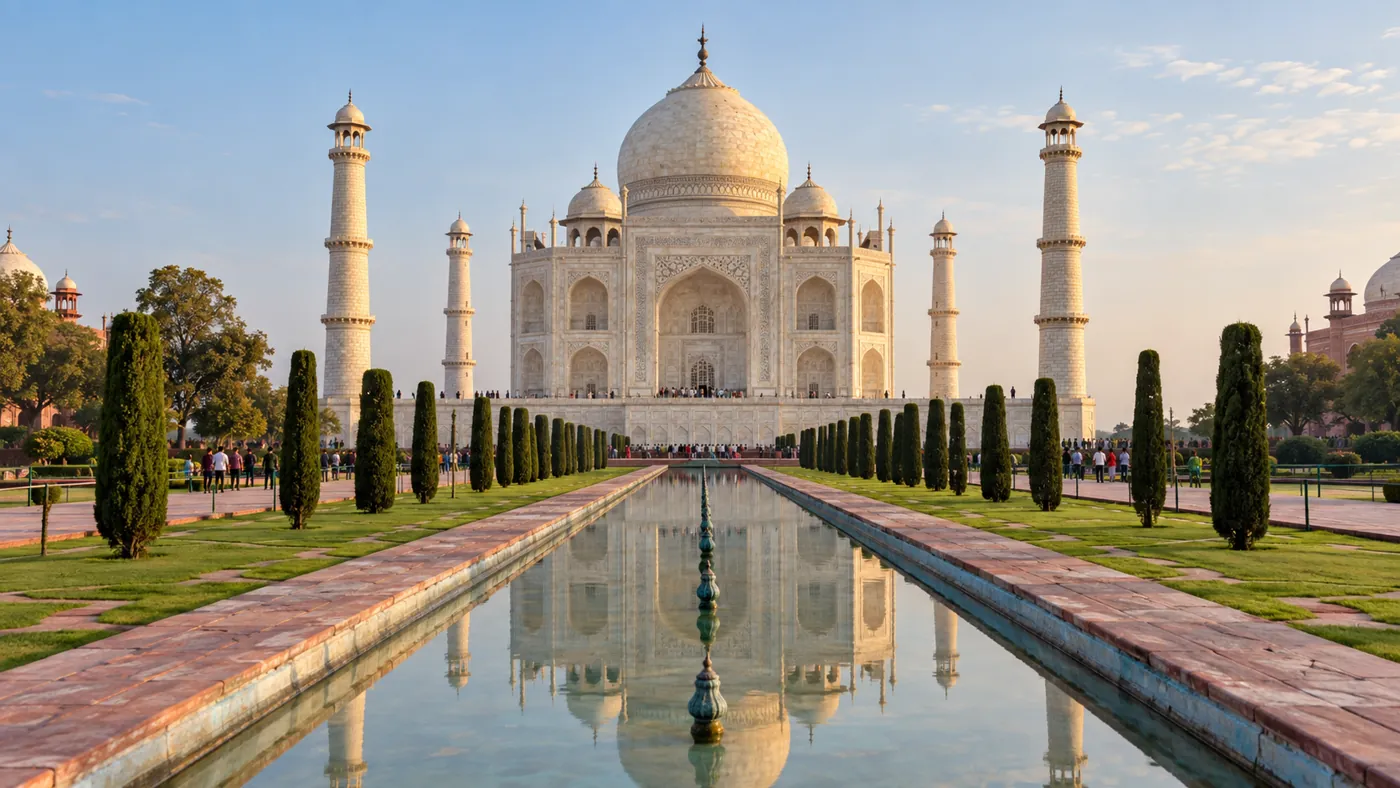
The Taj Mahal is closed on Fridays for general viewing. That is a major scheduling point, not a small footnote. Before choosing hotel nights, check which day you would visit Agra and adjust the city order if necessary. You may visit other Agra attractions on Friday, but that does not replace a Taj Mahal visit if it is the main reason for the journey.
Delhi–Agra–Jaipur–Delhi is a familiar order, but a different sequence may work better for your flight schedule or monument day. A sunrise visit usually requires an Agra overnight stay and an early departure from the hotel. Do not promise a sunrise experience after a long same-morning transfer from Delhi. Discuss entrance arrangements, identification and permitted belongings before reaching the monument.
Consult the official Taj Mahal visitor FAQs when checking the closure and current visitor guidance. Ticket prices and arrangements can change; verify the appropriate ticket category through the official visitor service rather than relying on an old screenshot or copied price table.
A compact three-day Golden Triangle plan
Day 1: Delhi to Agra
Start from the agreed Delhi address and travel to Agra with a practical break. Depending on arrival and the sightseeing plan, visit Agra Fort and arrange the Taj Mahal on a suitable day. An Agra overnight stay can support an early Taj visit the next morning. Keep the evening flexible instead of adding several optional attractions after the transfer.
Day 2: Agra to Jaipur
Visit the Taj Mahal first if that is the agreed schedule and the monument is open. After breakfast and checkout, continue towards Jaipur. Fatehpur Sikri can be discussed as a separate stop, but it requires time and should not be casually inserted into every transfer. Reach the Jaipur hotel, rest and choose a short evening activity only if the group feels comfortable.
Day 3: Jaipur highlights and return
Select a focused Jaipur sightseeing plan, then return to Delhi. Combining extensive sightseeing and a late return makes this the most demanding day. Choose priorities such as Amer and one city-area visit rather than trying to cover every fort, palace and market. If the final drop is linked to a flight, a longer itinerary or separate Delhi overnight stay may be more sensible.
This three-day plan is deliberately compact. It does not provide a full Delhi sightseeing day. Families travelling with grandparents, guests arriving after a long flight and visitors who enjoy photography or museums should consider adding time. A shorter tour is useful only when its limitations are understood before booking.
A balanced four-day Golden Triangle plan
Day 1: Delhi pickup and Agra stay
Arrange pickup after the group is ready, rather than tying departure to an optimistic arrival estimate. Travel to Agra and check in. If time permits, visit Agra Fort or choose a relaxed evening. Confirm whether the room is available at the intended arrival time and whether meals are included.
Day 2: Taj Mahal and transfer to Jaipur
Visit the Taj Mahal on a non-Friday date, allowing time for entrance formalities and walking. Return for breakfast or follow the agreed meal arrangement, then leave for Jaipur. A planned Fatehpur Sikri visit should have a clear time allowance and cost scope. Finish the day with hotel check-in rather than a rushed additional sightseeing list.
Day 3: Jaipur sightseeing
Give Jaipur its own day. Amer can be a morning priority, with the city-area monuments considered after lunch. Hawa Mahal, City Palace and Jantar Mantar should be selected according to interests and pace. Include a shopping stop only if people actually want it; shopping is not a substitute for an agreed monument visit.
Day 4: Flexible morning and Delhi return
Use the morning for an unfinished priority or depart early for Delhi. Keep the return buffer appropriate to the final destination. Airport drop, hotel drop and several home drops create different schedules. If Delhi sightseeing is required as well, agree a revised plan instead of trying to fit a full capital-city tour into the return afternoon.
A five-day plan including Delhi
Day one can focus on arrival and a light Delhi orientation. Day two offers a selected Delhi sightseeing route before an Agra transfer, or can be used entirely for Delhi with an earlier start towards Agra the next day. The best arrangement depends on flight timing and how much of the capital you want to see.
For a straightforward five-day starting plan, use day one for selected Delhi visits, day two for Agra and its overnight stay, day three for the Taj Mahal and Jaipur transfer, day four for Jaipur, and day five for the Delhi return. If arrival is late on day one, remove the assumption of a full sightseeing day. Tell the operator whether the first night is in Delhi and ask the quotation to show all hotel nights clearly.
An extra day does not need to mean more attractions. It can create a later start, a longer lunch break or an easier afternoon for seniors. It also helps visitors who want a guide to explain a monument rather than simply stop for photographs. Choose the daily emphasis before adding optional extensions such as Pushkar or Ranthambore, which require a separate plan and more travel time.
Delhi sightseeing: choose a route, not a long list
Delhi's attractions are spread across different areas. Old Delhi, central New Delhi and southern monument visits need different travel and parking arrangements. A route might combine an agreed Old Delhi experience with selected central sights, or focus on Humayun's Tomb and Qutub Minar with a shorter central stop. Opening days, entry arrangements and visitor restrictions must be checked for the actual date.
Discuss walking, crowds, meals and the meeting point after any pedestrian visit. A vehicle may stop at an authorised parking area rather than directly beside the attraction. If guests want a market walk or local food experience, arrange enough time and explain dietary preferences. Do not assume a guide, rickshaw ride or meal is included unless it appears in the quote.
Agra and Jaipur: useful sightseeing choices
In Agra, the Taj Mahal and Agra Fort are the main priorities for many first-time travellers. Consider optional places only after the core schedule is secure. Photography time, entry queues and the distance from the hotel all affect the morning. Keep large bags at the hotel or in an agreed secure arrangement rather than arriving with belongings that may not be permitted inside.
In Jaipur, Amer requires time for its hillside setting and walking. City Palace and Jantar Mantar suit visitors interested in heritage, while a Hawa Mahal stop can be planned according to whether you want an exterior view or an interior visit. Jal Mahal is commonly approached as a viewing stop; do not promise access to every part of a landmark without checking visitor arrangements.
The Rajasthan Tourism Jaipur guide provides official destination background. Use current attraction information to set priorities. Forts and palace complexes can involve stairs, uneven surfaces and heat, so share mobility concerns early and ask for a route that reflects them.
Car, Tempo Traveller or Urbania?
A smaller party can request a private car suited to its passengers and luggage. A larger group can compare Tempo Traveller and Urbania layouts. Consider entry height, seating, aisle access and suitcase space, not only the number printed beside a vehicle photograph. Confirm the exact passenger capacity excluding the driver and whether the offered unit has the features you need.
One vehicle helps a group stay together, but the itinerary still needs agreement. Families can appoint one contact for hotel communication, attendance checks and payment questions. Ask about authorised parking and whether any local transfer is required at an attraction. Compare Delhi car hire, Tempo Traveller options and the Traveller versus Urbania guide before requesting the final package.
What a complete quotation should explain
The quote should identify pickup and drop, dates, overnight cities, vehicle type, passengers and the agreed sightseeing scope. For accommodation, ask for hotel names or a clearly defined selection process, room category, number of rooms, occupancy, meal plan and cancellation conditions. “Hotel included” is not enough information to compare two packages fairly.
Ask separately about tolls, parking, driver allowance, state-related charges, taxes, guides, monument tickets and optional activities. Also clarify extra kilometres, additional hours, itinerary changes and additional pickups. These may be included, excluded or charged according to a defined rule. Written clarity before an advance is more useful than a reassuring verbal statement after the trip begins.
Leave room for a guide and a meal
A heritage visit is more rewarding when there is time to understand what you are seeing. If the group wants guided visits, ask for the language, duration, meeting point and places covered. Do not schedule the next transfer so tightly that the guide must rush. Allow a proper meal break and make sure everyone knows whether food is included or paid separately. Families with different interests can choose a smaller common sightseeing list and keep an optional visit separate. This is often easier than promising every landmark to every traveller and spending the tour negotiating what to skip.
Frequently asked questions
Is three days enough for the Golden Triangle?
It can work for a compact Agra and Jaipur circuit when Delhi sightseeing is already complete. It is a busy schedule with substantial transfers. Four or five days provide more flexibility, especially for first-time visitors or families wanting a gentler pace.
Can I visit the Taj Mahal on Friday?
It is closed on Fridays for general viewing. Arrange the Agra portion for another day if a Taj visit is essential. Check official visitor guidance before paying for a fixed itinerary.
Should we stay in Agra for sunrise?
An Agra overnight stay generally makes an early visit easier. Confirm the hotel departure, entrance arrangement and breakfast plan. Sunrise itself and clear weather cannot be promised, and the visit must follow current monument rules.
Does the package include monument tickets and guides?
Only if the written quotation says so. Ask for each inclusion clearly, including ticket categories and the language or scope of any guide service. Optional visits should not appear as confirmed inclusions without agreement.
Can the tour end in Jaipur instead of Delhi?
Request this before quotation. A different final drop changes vehicle duty and possibly the price. Provide the flight or train details and allow a suitable buffer; do not assume a round-trip quote automatically applies to a different ending.
Is the tour suitable for senior travellers?
It can be planned at a slower pace with fewer daily visits and suitable accommodation. Share walking and step-related needs before booking. Some heritage attractions still involve uneven surfaces, so access should be discussed individually.
Plan your Golden Triangle tour with Udan Travel
For an itinerary enquiry, use the Delhi, Agra and Jaipur Golden Triangle package. Udan Travel operates under the registered trade name Udan Travel Ind Services. Send dates, arrival details, passengers, rooms and sightseeing priorities. Confirm the final programme, vehicle, accommodation and payment conditions before booking so the journey reflects your group rather than a generic list of attractions.